
No products in the cart.
Return To Shop- 0449 255 652
- FREE SHIPPING FOR ALL ORDERS OF $150
- 9:00AM - 5:00PM
- CONTACT US
- FAQS

Wishlist
Please, enable Wishlist.
The Fish Works
Fish For Sale
Freshwater pond and aquarium fish available for purchase at The Fish Works Sydney
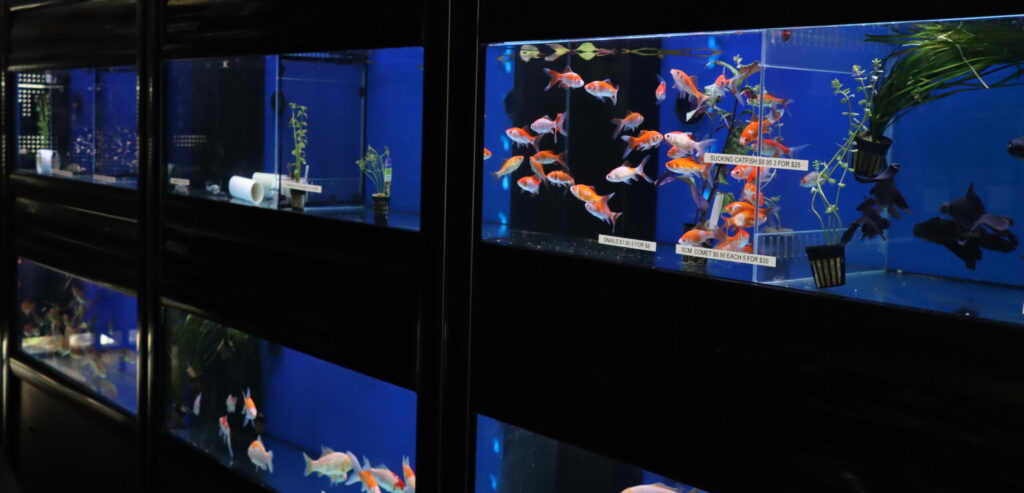
Outdoor pond fish for sale
We have an extensive range of outdoor pond fish for sale, including Japanese Koi Carp, Goldfish, Australian Native fish and more. People tend to think that you cannot have much variety in a garden pond or water feature, but we have many different types of pond fish available, most of which will happily cohabitate, creating a more natural ecosystem within your pond.
Tropical fish for sale
We stock a huge range of tropical aquarium fish, including cichlids, community fish, monster fish, live bearers, natives, and a dedicated bay of various rainbow fish species. We have all the classics, and quite a few rare and interesting species to catch the attention of even those experienced hobbyists.
At this time we focus entirely on freshwater set ups/species, we do not stock marine fish.
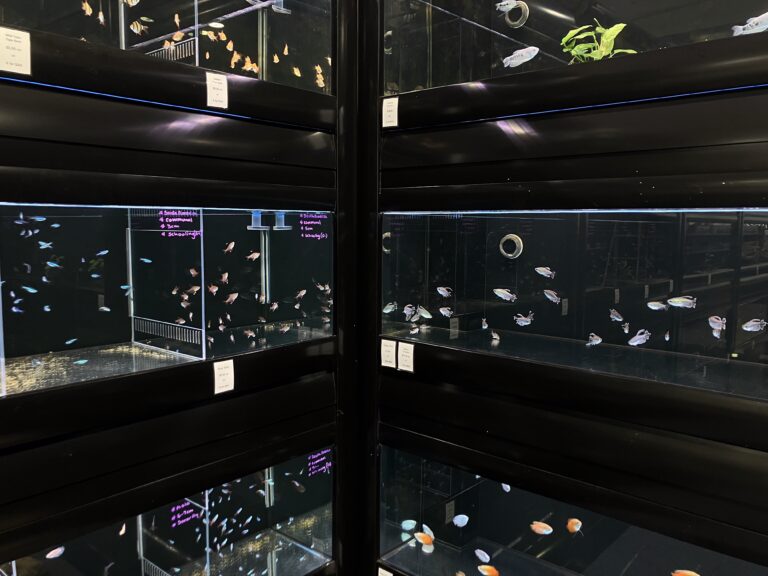
Check out our range
Scroll down to a see a list of all of the species we stock (note we will often have species not listed here, as we try to keep things interesting with regular fresh faces!.. or fins). This page is still under construction with very few of our hundreds of fish currently listed – to see what fish we currently have in stock please give us a call or visit our shop!
Beneath each image, you will find a small blurb of information describing the species so you can see if it is the right fit for you. As always, our staff is always excited to help with choosing your perfect fish and aquarium set up so never hesitate to ask us in store or contact us online for info!
Need help with feeding? We have a range of koi food, tropical food and blog posts that can help you choose what is best for you!
What kind of fish are you looking for?
Koi and Goldfish
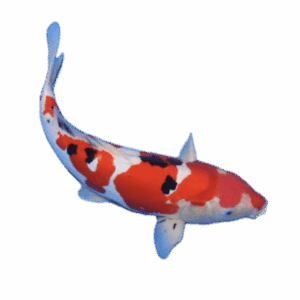
The Fish Works has Sydney’s largest range of premium healthy koi fish for sale. From 5cm babies to 60cm show-grade adults, we stock all of the big varieties such as Kohaku (red and white), Sanke, Showa and Ogon as well as the beautiful butterfly and Doitsu koi.
We import all of our Japanese koi into NSW from a single breeder in WA, meaning we can guarantee that they are healthy and disease-free.
To see our koi for sale click HERE
Show more
Show less
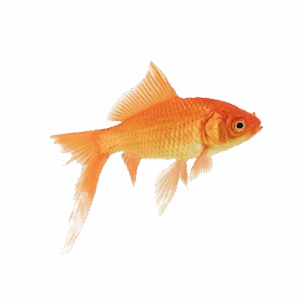
Goldfish are great in most pond sizes, including water bowls of at least 100L and smaller ponds. They are not aggressive, and can even be tamed after a while to eat from your hand, as can most fish.
Comets are the hardiest and most common goldfish variety, fantastic for beginners and low maintenance pond owners!
Show more
Show less
Goldfish are great in most pond sizes, including water bowls of at least 100L and smaller ponds. They are not aggressive, and can even be tamed after a while to eat from your hand, as can most fish.
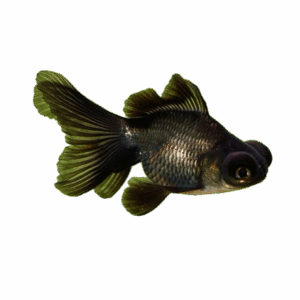
Black Moores are a fancy goldfish variety slightly more sensitive than the classic comet goldfish. Fancy goldfish can occasionally be outcompeted for food and are more sensitive to water quality fluctuations. Best kept with smaller or similar-sized fish. Our staff can recommend the right fish for you in store!
Show more
Show less
Goldfish are great in most pond sizes, including water bowls of at least 100L and smaller ponds. They are not aggressive, and can even be tamed after a while to eat from your hand, as can most fish.
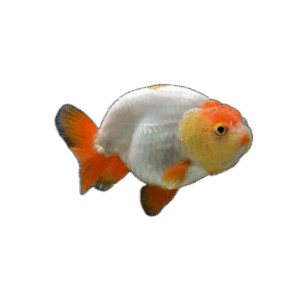
Ranchu are a fancy goldfish variety slightly more sensitive than the classic comet goldfish. Fancy goldfish can occasionally be outcompeted for food and are more sensitive to water quality fluctuations. Best kept with smaller or similar-sized fish. Our staff can recommend the right fish for you in store!
Show more
Show less
Goldfish are great in most pond sizes, including water bowls of at least 100L and smaller ponds. They are not aggressive, and can even be tamed after a while to eat from your hand, as can most fish.
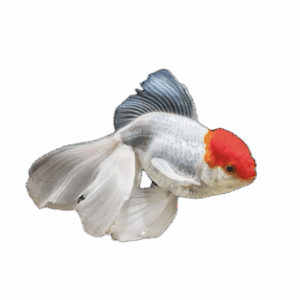
Oranda are a fancy goldfish variety slightly more sensitive than the classic comet goldfish. Fancy goldfish can occasionally be outcompeted for food and are more sensitive to water quality fluctuations. Best kept with smaller or similar-sized fish. Our staff can recommend the right fish for you in store!
Show more
Show less
Goldfish are great in most pond sizes, including water bowls of at least 100L and smaller ponds. They are not aggressive, and can even be tamed after a while to eat from your hand, as can most fish.
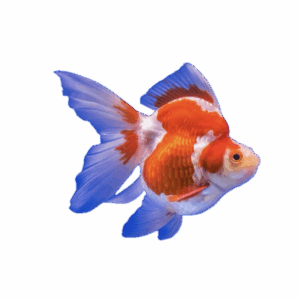
Ryukin are a fancy goldfish variety slightly more sensitive than the classic comet goldfish. Fancy goldfish can occasionally be outcompeted for food and are more sensitive to water quality fluctuations. Best kept with smaller or similar-sized fish. Our staff can recommend the right fish for you in store!
Show more
Show less
Cold Water Native Fish
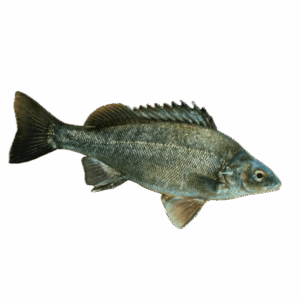
A great addition to a larger pond or dam with koi and other large fish. Silver perch will reach up to around 40cm and can be quite tasty! Not that you would do that to your fish, right? A popular aquaculture fish, it is used increasingly in aquaponics by our
customers. Minimum pond size of around 600 litres. May eat small fish.
Show more
Show less
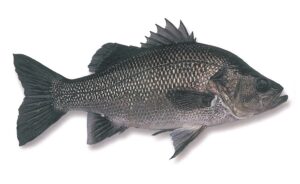
Australian Bass
Bass are great for ponds and dams that have large fish in them. Do not mix them with small fish, because they will happily devour anything that will fit in their mouths! Will grow up to 30cm in most ponds, but sometimes bigger. Minimum recommended pond size is around 500 litres. These fish can be used in Aquaponics! Click here to find out more
Show more
Show less
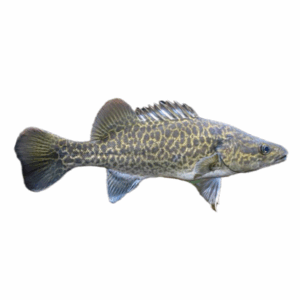
Murray Cod are a large native fish that can grow up to 180cm in the wild, but will rarely exceed 65cm in a pond. So only mix with larger fish such as koi and other large natives. A predator by nature, murray cod love a place to hide surprise their prey, such as overhanging driftwood or rocks. Can eat sinking pellets and live feeder fish, insects etc.
Show more
Show less
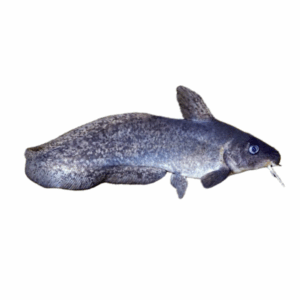
Tandanus Catfish are great for larger ponds of at least 600 litres. They have the potential to get big, so will mix well with koi and other larger native fish. Not a fussy eater, they will eat pellets, especially sinking pellets. An interesting addition to any large pond.
Show more
Show less
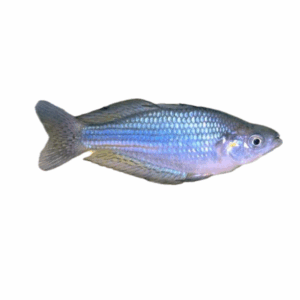
We stock two types of rainbow fish, crimson spot rainbows (shown) and murray darling rainbows. Both are great littel fish of about 5 – 10cm with the males becoming very vibrant. Frog friendly and great at controlling mosquito larvae.
Show more
Show less
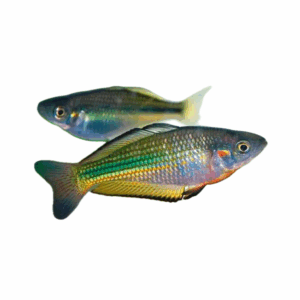
We stock two types of rainbow fish, crimson spot rainbows (shown) and murray darling rainbows. Both are great littel fish of about 5 – 10cm with the males becoming very vibrant. Frog friendly and great at controlling mosquito larvae.
Show more
Show less
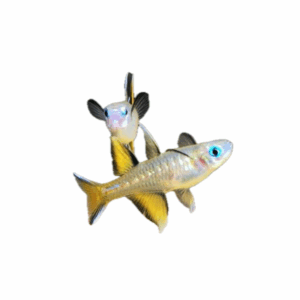
A popular small native schooling fish. Frog-friendly, the Pacific Blue Eye is found up the east coast of Australia.
We only get the cold water variety, which will cope with our Sydney winters! Maximum size 3cm. Minimum pond size 150 litres.
Show more
Show less
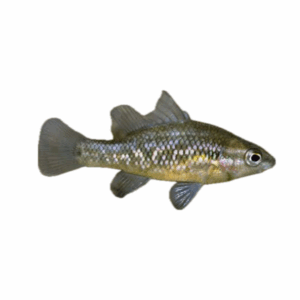
Australian Southern Pygmy Perch are a great little fish for any planted pond.
They are fairly elusive found mostly in/around plants and rarely at the waters surface. Frog friendly and excellent at controlling mosquitos!
Show more
Show less
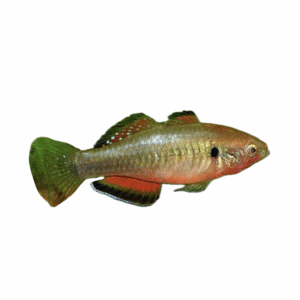
Empire Gudgeons are a small predatory fish of about 10-15cm, eating insects that fall into the pond, but will take flakes and small sinking pellets.
The males have bright orange fins, especially the dominant males during the breeding season. Mixes fine with fish of a similar size. Minimum pond size 200 litresLearn more about Empire Gudgeons here
Show more
Show less
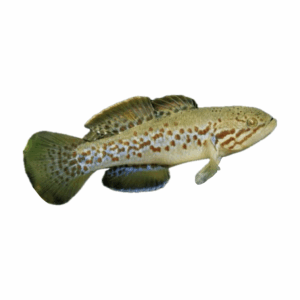
Growing to approx 15cm the purple spotted gudgeon was once though extinct but has since been brought back from a critically endangered status!
A small predatory fish consuming insects + small sinking pellets. Excellent for pond pest control.
Show more
Show less
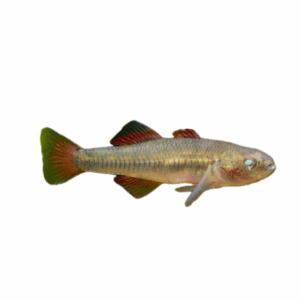
Local to the Sydney region firetail gudgeons are a great affordable native fish. Will grow to approx 7cm and breed very easily.
Excellent mosquito control.
Show more
Show less
Other Cold Water Pond Fish
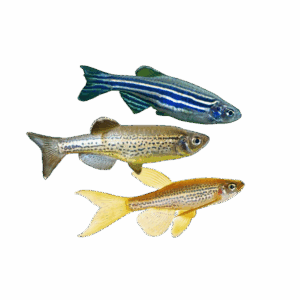
A small schooling fish that comes in a variety of nice patterns/colours, we stock these in zebra (shown), leopard and golden strains as they are able to live outside in cold weather. Frog friendly and mosquito eating.
Show more
Show less
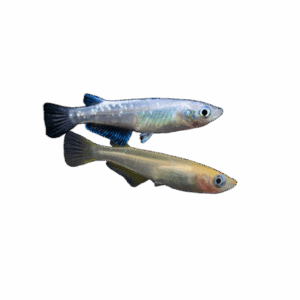
Found in the rice paddies in Japan, these little fish grow to a maximum of 2.5cm. They are frog friendly and peaceful, mixing well with other fish of a similar size to them. Very popular in planted patio ponds.
Show more
Show less
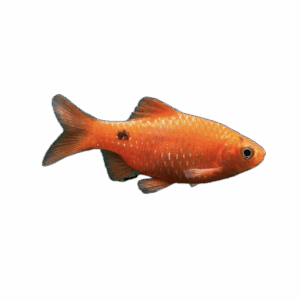
Nice little schooling fish that will reach a maximum size of around 4.5cm. Males are bright red and females a more copper tone, but they are still pretty. A great way to add colour and movement to a pond of a minimum size of 200 litres.
Show more
Show less
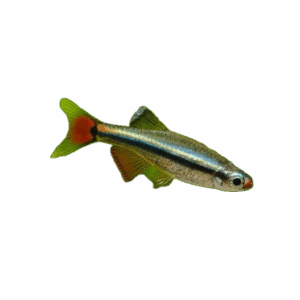
A best seller! Great little fish from the clear mountain streams in China. These hardy little guys will reach a maximum of around 2.5cm and are frog friendly! Will breed in a well-planted pond of a minimum size of around 150 litres. Like all fish will eat mosquito larvae.
Show more
Show less
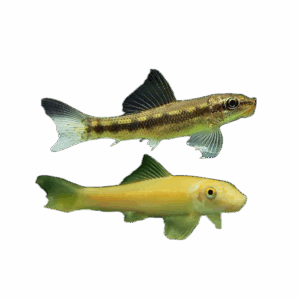
Also known as Algae eaters. That’s all they do. Eat algae! Well, they also have a bit of character, chasing other tank mates occasionally, they think they own the place! They are harmless, though. In most ponds, they will get to a size of about 12cm, but I have seen some reach up to 30cm! Give them some space so they do not think that the whole pond is theirs. Min pond size 300 litres.
Show more
Show less
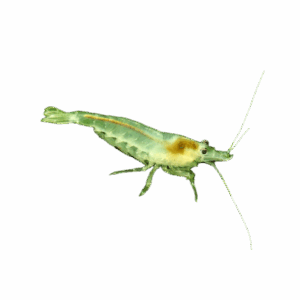
A small native shrimp species perfect for adding some biodiversity to your pond. Best kept with small fish that will not bother them such as minnows and blue eyes.
Will feed off of algae within the pond and breed in well-planted areas.
Show more
Show less
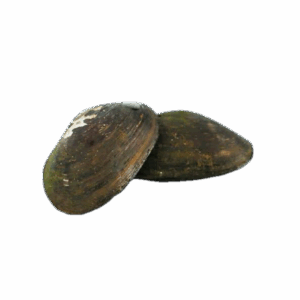
A great additon to any pond, dam or fish tank, mussels are filter feeders so will naturally help to keep your water clean.
Not much to them other than this but excellent to provide some extra filtration and biodiversity to your pond.
Show more
Show less
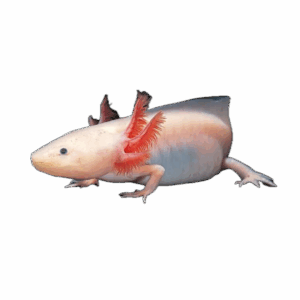
Axolotls are a 'paedomorphic' species of slamander meaning they remain in their larval state into adulthood. Native to only one river in Mexico and critically endangered in the wild we have stable captive populations in Australia.
These freshwater amphibians like cold water so do just fine in the outdoor pond. All of our axolotls are trained to eat sinking fish pellets (meaning you can forgo the live and frozen worms)
Show more
Show less
Tropical Fish (tetras)
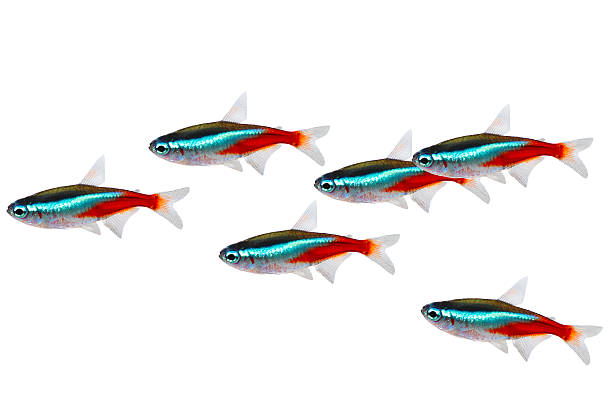
A staple in tropical aquariums, Neon tetras are small, colourful freshwater fish with amazing schooling behaviours. They’re hardy and social, making them a popular choice for both beginner and experienced hobbyists.
They're a social species, so we recommend keeping a minimum of 6.
Read more about neon tetras HERE
Show more
Show less
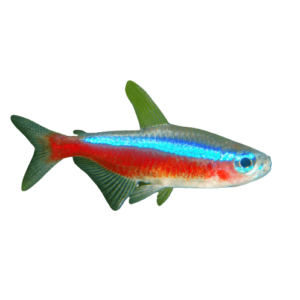
Cardinal tetras are very similar in appearance and behaviour to the popular neon tetra. They are often preferred because, unlike neons, their characteristic red marking extends across their whole body, making them more satisfyingly colourful.
They are also a social schooling species local to the Amazon Basin in South America.
Show more
Show less
Tropical Fish (Live Bearers)
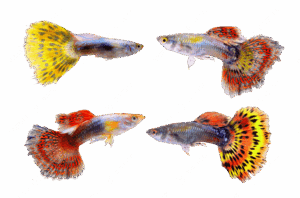
Guppies are a great beginner fish, though even experienced fish keepers often find themselves hooked on their easy going and colourful nature.
They’re super easy to care for and come in a huge range of colours and patterns. Watch out if keeping males and females together, though, unless you want to coparent hundreds of babies 😉
Show more
Show less
Tropical Fish (Other)
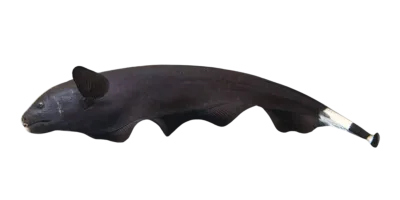
The Black Ghost Knife Fish is native to the Amazon basin of South America. If given enough space, they can reach lengths of up to 60cm!
They are carnivorous, so like a high-protein diet. They are super cool fish in lots of ways. Moving around with one long fin along the bottom of their body, they are related to electric eels, using their (very weak) electricity to locate food in murky water. They are peaceful community fish but may eat tank mates that are smaller than 4cm...
Show more
Show less
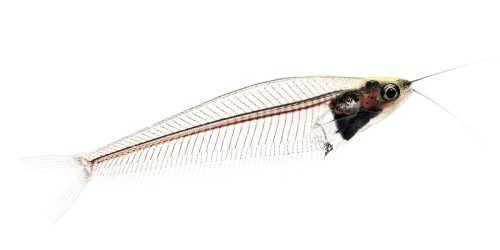
Phantom glass catfish are another super unqieu and beautiful species. Native to South East Asia they are a peaceful community fish that do great in tropical tanks.
Their bodies are completely see-through, allowing you to see their skeleton and organs. With a microscope, you can see their heart beating!
Show more
Show less
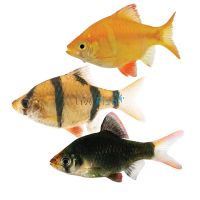
Tiger barbs are energetic, striped freshwater fish from Southeast Asia. Their wild colouration is orange with dark black stripes. We also stock their 'golden' and 'moss green' varieties.
They bring a lively, dynamic presence to any aquarium, but can be quite aggressive in community tanks, especially if kept with more passive or smaller fish. To keep them happy and harmonious, they’re best paired with other robust species or kept in a larger, well-planted tank where their active nature can be comfortably accommodated.
Show more
Show less

Yoyo loaches, also known as Pakistani loaches are a great hardy option for community tanks. They are very active and personable, doing best in small groups.
Yoyo loaches are often used as snail control in planted tanks! Avoid putting them in tanks with shrimp or snails you would like to keep.
Show more
Show less
Our fish stock is reliant on the availabilty of our breeders so we may have more, or less than what is shown above on any given day. If you are after a specific species, even one not listed on our website, feel free to get into contact so we can provide you with a price and/or availability.
We always have a wide variety of outdoor pond fish for sale at The Fish Works, so drop in to say hi any time!
All fish ponds and aquariums require filtration to keep the water healthy and clear, so if you need one, please click here
©Copyright 2023 by The Fish Works Pty Ltd All Rights Reserved.
